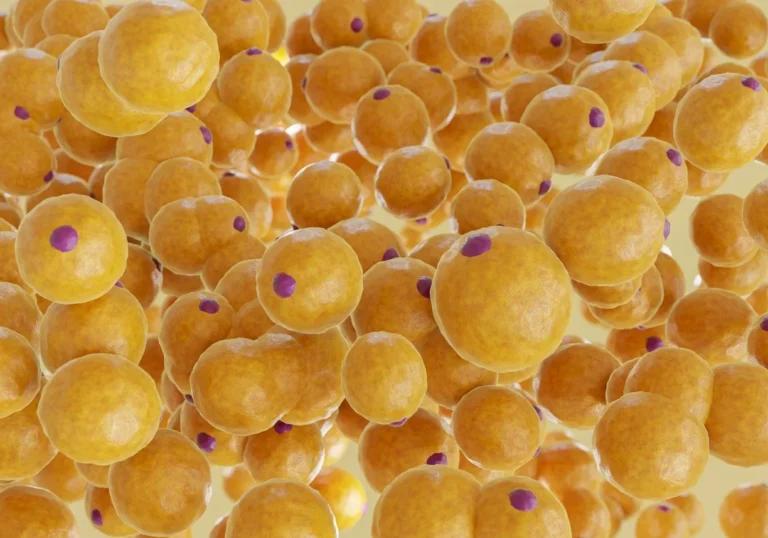
Fragment 176-191, Modified GRF 1-29, and Ipamorelin Blend: Adipose Metabolism, GH Axis Modulation, and Receptor Signaling Research

by Dr. Usman | Jun 16, 2026 | Research The Fragment 176-191, Modified GRF 1-29, and Ipamorelin peptide blend is a research-grade tri-component formulation combining three structurally and mechanistically distinct synthetic peptides. Fragment 176-191 (also designated hGH Frag 176-191, AOD-9604, or Tyr-hGH 177-191) is a synthetic C-terminal…
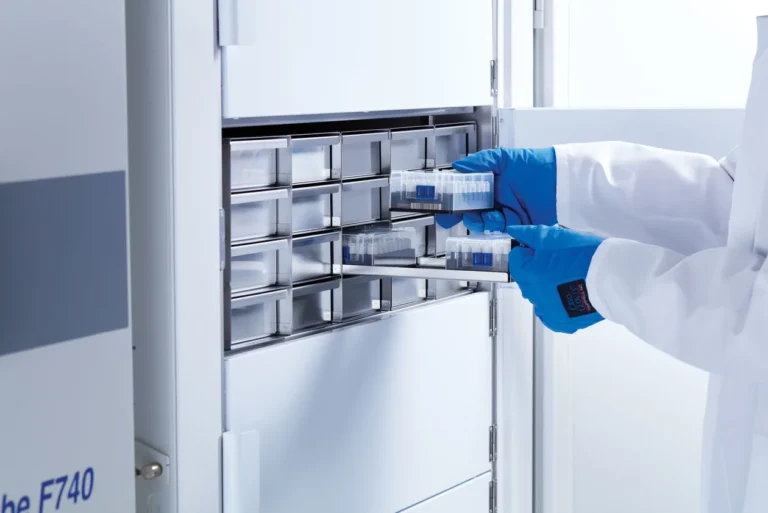
Standard Procedure For Storing Peptides

by Dr. Usman | Aug 11, 2021 | Knowledge Center Long-term peptide storage over several months and years demands proper refrigeration. The preferred and usual temperature for storage is -80C (-112F). Freezing peptides is optimal to preserve their stability and retain functional viability. Peptides are…

Peptide Synthesis

by Dr. Usman | Jun 24, 2022 | Knowledge Center The Process of Peptide Synthesis Solution Phase Synthesis (SPS) was the original approach to peptide synthesis. Though this process still has merit in this modern age, for large-scale peptide production, Solid-Phase Peptide Synthesis (SPPS) has…

Peptide Purification

by Dr. Usman | Jun 30, 2022 | Knowledge Center Here you will find information on the different aspects of peptide purification that take place during the synthesis, different strategies and methods, and possible mistakes, such as impurities that may…

Peptide Solubility

by Dr. Usman | Jun 30, 2022 | Knowledge Center How To Find The Best Peptide Solubility Option Figuring out the most effective solvent to dissolve peptides with is possibly one of the most difficult components when working with peptides…

Understanding Peptide Bonds

by Dr. Usman | Jun 30, 2022 | Knowledge Center How Is The Bond Created? When two amino acids form a covalent bond, it creates a peptide bond.[1] The Carboxyl group of one amino acid may react with the second amino group of the other amino…